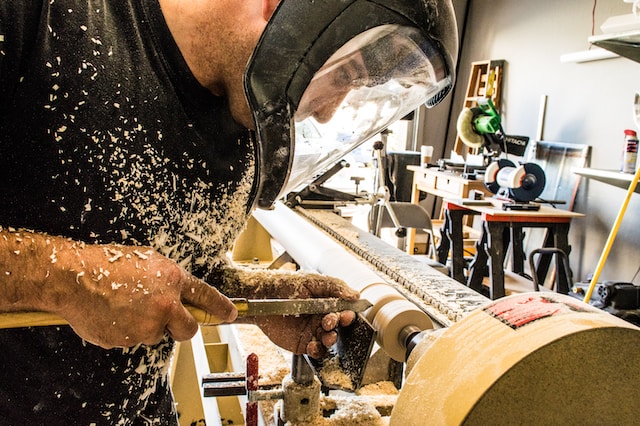
Woodworking facilities need a sophisticated industrial exhaust system and top quality ventilation to keep these buildings safe. There are many hazards associated with wood dust created by woodworking operations, which exhaust and ventilation systems can reduce by removing these harmful contaminants from the air. In this article, we’ll discuss woodworking exhaust systems and some important …
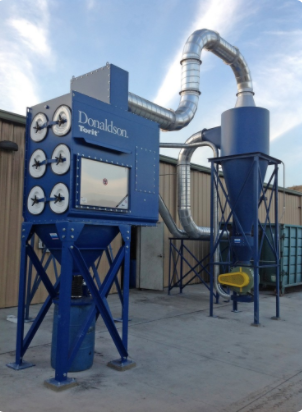
When you think of industrial ventilation systems, you might picture fans and louvers to control air movement and expel hot, humid air. However, what happens when contaminants in your air need to be captured and contained before air is exhausted or recirculated? Dust collection systems are an essential part of your ventilation system. These devices help …
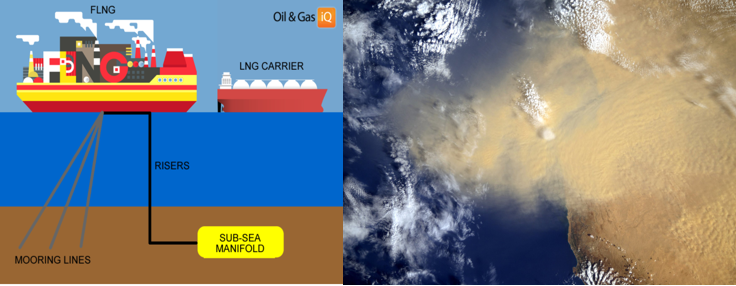
We enjoy taking on a tough problem that challenges our ventilation expertise. Recently, a customer came to us with a problem that involved filtering out sand particles from the air. Eldridge was recommended to the customer because of our work on offshore vessels. The customer wanted us to design the best solution for filtering out …
Fan manufacturers rate the volumetric air flow of their products based on air at standard conditions. When Eldridge designs most ventilation systems, we do so using these standard air flows for the fans. However, there are applications where the air is not at standard conditions and we need to determine what is the volume of …
In the third and final part of this article, we are going to discuss calculating total static pressure of the dust collection system. Total Static Pressure Each capture point, transition, branch and elbow in the ductwork will resist the flow of air. Each of these points will have an air resistance coefficient based on their …
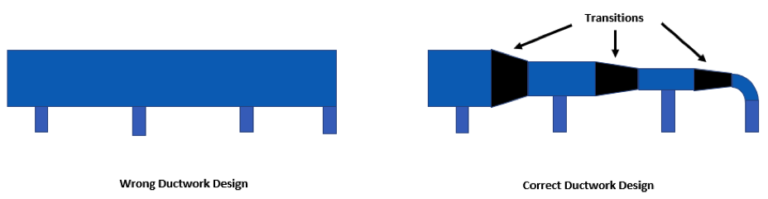
In the second part of this three part series on Dust Collection System Design, we are going to discuss how to determine and maintain transport velocity. After dust particles are captured, the proper transport velocity ensures that the dust particles will be conveyed through the duct work without clogging from the capture point to the …
The National Fire Protection Association has recently revised its Standard on the Fundamentals of Combustible Dust – NFPA 652. According to the standard’s 2019 Edition, all dust collection systems, new or existing, are subject to a dust control plan as a part of an overall Dust Hazard Analysis (DHA). If you need to add or …