
Industrial blowers play a crucial yet often overlooked role in modern industrial facilities. They power ventilation systems, enable material handling, and support drying, cooling, and dust collection across a wide range of industries. Whether your operation is in manufacturing or food processing, the right industrial blower can have a direct impact on efficiency, energy consumption, and overall productivity. However, with so many types and configurations available, selecting the best option can be a complex decision.
This guide explores the key factors to consider when choosing an industrial blower—from understanding how they work to evaluating performance, materials, energy efficiency, and maintenance requirements.
Understanding What an Industrial Blower Does
An industrial blower is a mechanical device that increases the pressure and velocity of air or gas to move it through a system. While similar in concept to a fan, a blower is designed for higher pressures and larger airflow volumes. In most facilities, blowers serve several essential functions such as ventilating enclosed spaces, removing dust or fumes, drying or cooling materials, conveying products, and supplying combustion air for industrial burners.
When correctly sized and specified, an industrial blower ensures consistent airflow, helps maintain safe working conditions, and keeps processes operating at peak efficiency. Conversely, the wrong selection can lead to excessive noise, high energy bills, and even premature equipment failure.
Defining Your Application and Airflow Requirements
The first step in selecting the right blower is understanding the specific needs of your application. Each process has unique demands in terms of airflow, pressure, and environmental conditions. For instance, a paint booth requires high-volume, low-pressure air movement to ensure proper ventilation, while a pneumatic conveying system may need a high-pressure blower to move materials through pipelines.
To determine your requirements, consider how much air you need to move (measured in cubic feet per minute, or CFM) and the level of pressure required to overcome system resistance. It is also important to evaluate the type of air being handled—is it clean, dusty, humid, or corrosive? Finally, note the operating temperature, as some processes involve hot gases or harsh conditions that demand specialized materials and seals.
The more accurately you can describe your operating environment and airflow demands, the easier it becomes to identify a blower that can deliver reliable, efficient performance.
Knowing the Main Types of Industrial Blowers
Industrial blowers generally fall into two main categories: centrifugal blowers and positive displacement blowers. Understanding the differences between them will help narrow your choices.
Centrifugal blowers use a rotating impeller to draw air into the center and push it outward through a discharge outlet. They are known for providing a steady flow of air at moderate pressures and are commonly used in HVAC systems, dust collection units, and general ventilation applications. Depending on the impeller design, centrifugal blowers can handle anything from clean air to moderately contaminated air. Forward-curved impellers are ideal for low-pressure, high-volume applications, while backward-curved or radial designs handle higher pressures or dirtier air more effectively.
Positive displacement blowers, also known as rotary lobe blowers, operate by trapping a fixed volume of air and forcing it through the discharge port. This design produces a constant flow regardless of pressure variations, making it ideal for high-pressure or vacuum applications. They are frequently used in pneumatic conveying, wastewater aeration, and combustion air systems. Positive displacement blowers are generally robust and reliable, though they may generate more noise and require more energy at lower pressures compared to centrifugal models.
Matching Performance to System Requirements
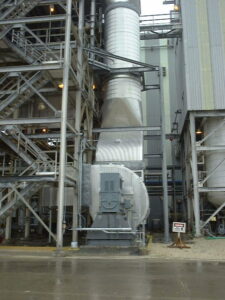
Once you know which type of blower suits your application, the next step is to match its performance characteristics to your system’s needs. The airflow rate (CFM) and static pressure must align with your ductwork, filters, and process requirements. The blower must be powerful enough to overcome resistance in the system while maintaining the desired airflow.
Temperature and gas properties also play a role. If your process involves hot air, vapors, or corrosive gases, ensure the blower’s materials and seals can withstand those conditions. High temperatures can reduce performance or damage components if the blower is not properly rated.
Power and efficiency are equally important. Because blowers often run continuously, they consume a significant portion of a facility’s energy budget. Choosing an energy-efficient design or a model compatible with a variable frequency drive (VFD) can lead to substantial savings over time.
Construction Materials and Design Features
The durability and longevity of an industrial blower depend heavily on its construction materials. Mild steel or aluminum housings work well for standard environments with clean, dry air. Stainless steel offers corrosion resistance and temperature tolerance, making it ideal for food, chemical, or marine applications. Cast iron is suitable for heavy-duty operations requiring structural strength, while protective coatings can add extra resistance in corrosive or abrasive conditions.
Design details also matter. Bearings and seals must be rated for the temperature and pressure levels in your system. Sound enclosures may be necessary in environments where noise reduction is a priority. Easy access to components such as bearings, belts, and impellers simplifies routine maintenance and minimizes downtime. In addition, stable mounting and proper alignment ensure safe, vibration-free operation.
Evaluating Energy Efficiency and Control Options
Energy efficiency is one of the most significant factors in blower selection. Since blowers are often operated around the clock, even small improvements in efficiency can translate into large cost savings. Variable frequency drives (VFDs) allow operators to adjust blower speed based on demand, preventing unnecessary energy use during low-load periods. High-efficiency motors that meet or exceed modern energy standards can also reduce power consumption.
Optimized impeller designs help minimize turbulence and pressure losses, further improving efficiency. Equally important is the design of the air system itself—leaky ducts, clogged filters, or poorly designed bends can force the blower to work harder than necessary. By combining an efficient blower with a well-designed system, facilities can significantly cut energy costs and extend equipment life.
Maintenance and Reliability Considerations
In industrial environments, unplanned downtime can be extremely costly. Therefore, it’s wise to choose a blower that is easy to maintain and built for reliability. Features such as accessible inspection points, clearly marked lubrication fittings, and easily replaceable filters and belts make servicing faster and safer. Regular maintenance—including cleaning, lubrication, vibration checks, and bearing inspections—extends the equipment’s lifespan and prevents breakdowns.
It’s also essential to consider the availability of replacement parts and technical support. Selecting a blower from a manufacturer with a strong service network ensures you can quickly resolve issues and maintain consistent operation.
Investing in Efficiency and Reliability
Choosing the right industrial blower is about more than just meeting airflow specifications. It involves understanding your process, evaluating energy performance, considering long-term maintenance, and partnering with a supplier who can provide reliable support. The right blower improves system performance, reduces energy costs, and enhances workplace safety.
By carefully assessing your application, selecting the appropriate blower type, and factoring in the total cost of ownership, you can ensure your facility operates efficiently for years to come. A well-chosen industrial blower doesn’t just move air—it moves your entire operation forward. Contact our team of experts today for more information.