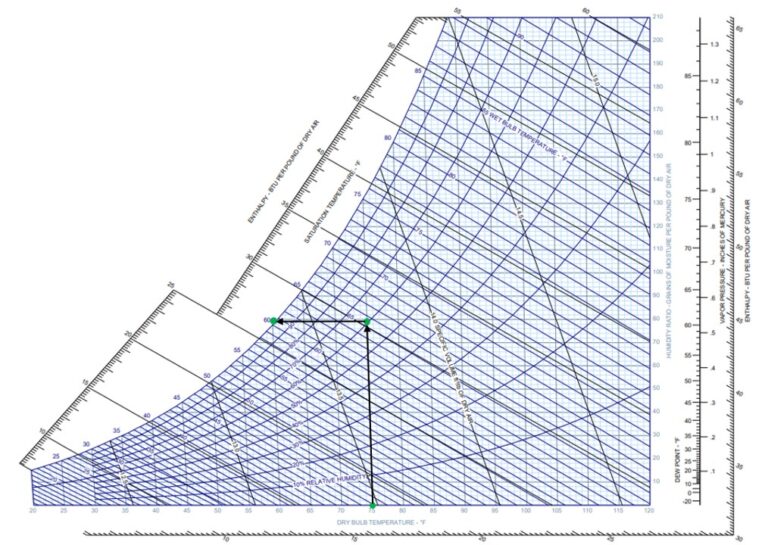
Industrial ventilation system design requires more than selecting fans and determining how much air needs to move through a building. Engineers must also understand how temperature, humidity, moisture content, and heat interact to create the right indoor environment. A psychrometric chart is one of the most useful engineering tools for evaluating these conditions. It allows …
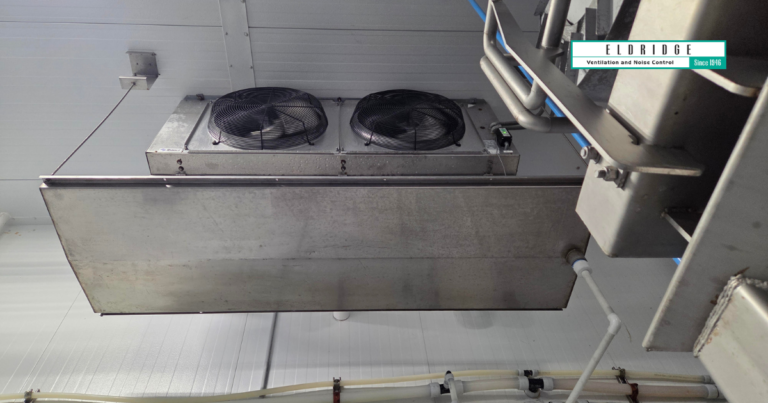
Excess humidity in cold storage facilities can lead to condensation, frost buildup, equipment damage, and product quality concerns. Learn how to recognize common warning signs, identify potential causes, and improve humidity control to protect your facility’s operations.
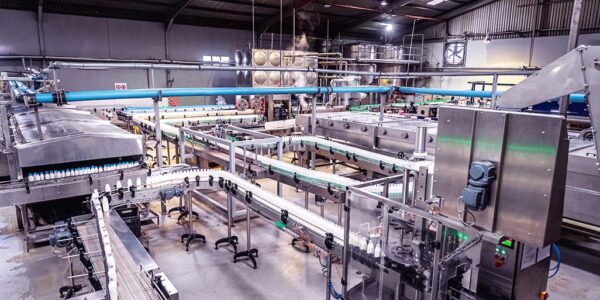
Food processing plants face unique ventilation challenges that can affect food safety, product quality, employee comfort, and production efficiency. From excessive humidity and airborne contaminants to inadequate exhaust airflow, even a small ventilation problem can create larger operational issues if left unaddressed. Unlike ventilation systems in standard commercial buildings, industrial ventilation systems for food processing …
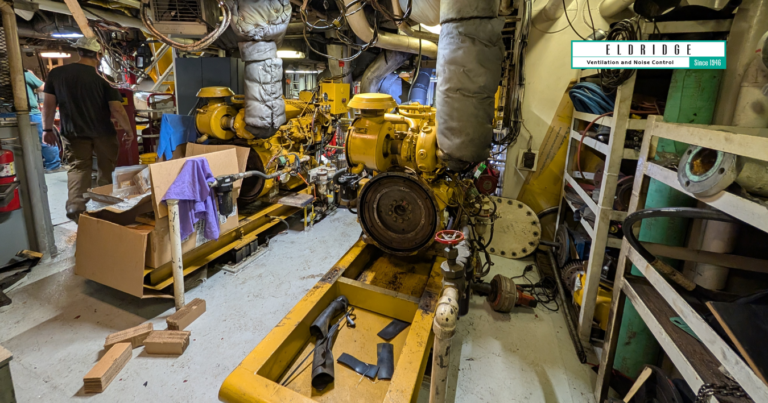
Towboats and workboats depend on powerful engines to push barges, transport cargo, and support marine operations. Those engines also generate substantial heat and require a steady supply of combustion air. Without effective engine room ventilation, vessel performance, equipment reliability, and crew working conditions can suffer.
How much CFM does an industrial facility need? The answer depends on the size of the building, the type of industrial process taking place, the amount of heat and contaminants generated, the required air changes per hour (ACH), and the facility’s ventilation goals. A basic starting point for general ventilation is: CFM = (Building Volume …
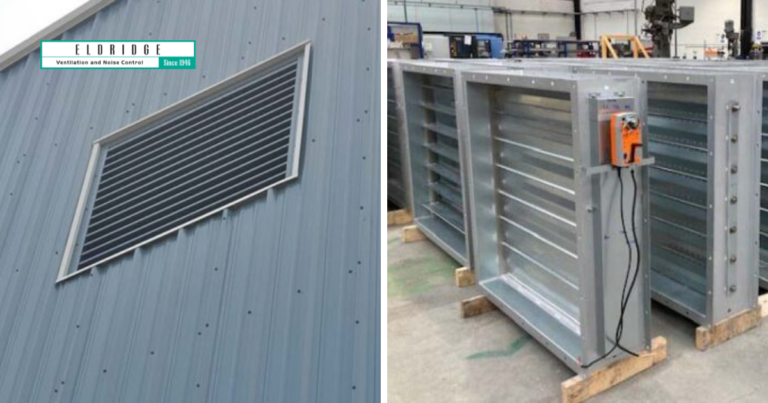
Louvers and dampers are common components in industrial ventilation systems. Because they often work together, it can be easy to confuse their roles. Both affect how air moves into or out of a building, but they serve different purposes. Understanding the difference matters because these components don’t operate independently. Their size, configuration, and placement can affect airflow, pressure drop, fan performance, and overall system performance.
As temperatures begin to drop, many industrial facilities start preparing their ventilation systems for a change in operating conditions. While industrial exhaust fans may have worked continuously through the hot summer months, cooler weather is an ideal time to inspect, clean, and service these systems before the next demanding season arrives. Industrial exhaust fans play …
Another summer may be coming to an end, but for many facilities, the challenges caused by excessive heat are still fresh. Hot, poorly ventilated facilities can affect employee comfort, productivity, equipment performance, and overall working conditions. If your ventilation system struggled to keep up this summer, now is the time to start thinking about improvements for 2027. Planning early gives facility managers an opportunity to evaluate existing conditions, determine the right solution, secure capital funding, and schedule installation before next summer arrives.
On-site power generation for data centers is becoming an increasingly important consideration as data center power requirements continue to grow. The rapid expansion of cloud computing, artificial intelligence,and other power-intensive technologies is placing greater demands on electrical infrastructure. For some facilities, relying entirely on utility power can create challenges related to available capacity, reliability, and …