
 Why Engine Room Ventilation Matters on Towboats and Workboats
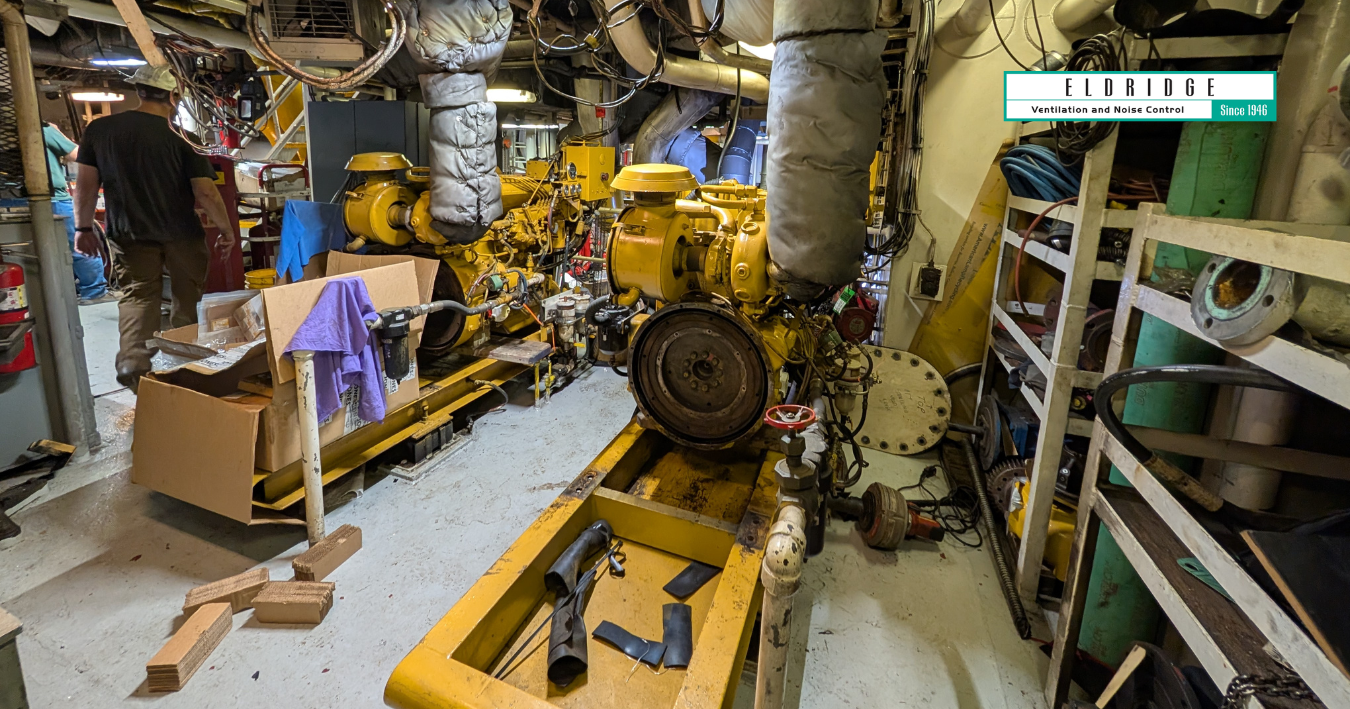
Towboats and workboats depend on powerful engines to push barges, transport cargo, and support marine operations. Those engines also generate substantial heat and require a steady supply of combustion air. Without effective engine room ventilation, vessel performance, equipment reliability, and crew working conditions can suffer.
Marine engine room ventilation does more than move air. It helps manage heat, support engine operation, and maintain workable conditions in one of the vessel’s most demanding spaces.
The Challenges of Towboat and Workboat Engine Room Ventilation
Engine rooms pack engines, generators, and auxiliary machinery into limited space. Heat can build up during long operating periods, while restricted openings and equipment arrangements complicate airflow. At the same time, propulsion and auxiliary engines need sufficient combustion air.
These demands make marine ventilation different from a typical building application. A successful system must account for the vessel’s layout, operating conditions, and the relationship between incoming air and exhaust airflow.
Why Adequate Airflow Matters
Managing Heat and Protecting Equipment
Engines and supporting machinery release heat throughout operation. When ventilation cannot remove that heat effectively, engine room temperatures can rise and equipment may operate under more demanding conditions. Prolonged exposure to excessive heat can contribute to maintenance concerns and may affect equipment service life.
A well-designed ventilation system helps manage heat buildup while supporting the operating environment that machinery requires. The objective is not simply to install larger fans, but to deliver airflow suited to the vessel and its equipment.
Supporting Engine Performance and Vessel Operations
Marine engines need combustion air to perform as intended. Inadequate air supply can contribute to reduced engine performance, which may become especially consequential when a towboat is pushing a heavily loaded barge tow or operating under demanding conditions.
Depending on the engine and operating circumstances, inadequate combustion air can also affect fuel combustion and exhaust emissions. These potential consequences make engine room airflow an operational concern, not merely a comfort issue.
Improving Crew Working Conditions
Engine rooms are hot, noisy, physically demanding workplaces. Excessive heat can make inspections, routine maintenance, and other essential tasks more difficult for crews. It may also contribute to fatigue and reduced concentration.
Ventilation cannot eliminate every hazard associated with marine machinery, but it can help create more manageable conditions for personnel who need to work in these spaces.
Why Marine Engine Room Ventilation Requires Specialized Design
Engine room ventilation cannot be selected on a fan’s advertised CFM rating alone. Equipment arrangement, space constraints, heat generation, combustion air requirements, and operating conditions all influence how a system must perform.
Marine environments introduce additional challenges, including rain, spray, humidity, and potential corrosion. Fans, louvers, moisture-separation equipment, and other components must function together without compromising the vessel’s airflow needs.
Even vessels with similar engines may require different ventilation arrangements. Effective design starts with understanding the specific application rather than applying a universal airflow recommendation.
Signs Your Engine Room May Need Attention
Ventilation problems can develop as equipment ages or a vessel’s operating requirements change. Warning signs may include:
- Persistent or excessive engine room heat
- Inadequate or uneven airflow
- Engine performance concerns that warrant further investigation
- Ventilation equipment struggling to meet operating demands
- Changes in conditions after engine or equipment modifications
- Recurring maintenance issues involving ventilation components
These signs do not automatically mean the vessel needs a larger fan. A professional evaluation can help identify whether the ventilation system is contributing to the problem and what improvements may be appropriate.
How Eldridge Supports Marine Engine Room Ventilation
Eldridge works with marine customers to evaluate ventilation requirements, equipment arrangements, space limitations, and operating conditions. Our team brings engineering and design expertise to both new vessel construction and upgrades to existing engine rooms.
Our marine ventilation capabilities include marine-duty fans, louvers, dampers, moisture-separation solutions, acoustic equipment, and custom-engineered systems. We consider how the components work together to support the vessel’s intended operating conditions.
Whether a project involves a new towboat, a workboat retrofit, or troubleshooting an existing system, Eldridge helps customers identify ventilation solutions suited to the application.
Frequently Asked Questions About Marine Engine Room Ventilation
Why is engine room ventilation important on towboats and workboats?
It helps remove excess heat, supply combustion air, and support appropriate conditions for engines and auxiliary machinery. It can also improve the working environment for crews conducting inspections and maintenance.
Can inadequate engine room ventilation affect engine performance?
Yes. Inadequate combustion air and excessive engine room temperatures can affect engine operating conditions and performance. The consequences depend on the equipment and the severity of the ventilation problem.
How can I tell whether my workboat needs a ventilation upgrade?
Excessive heat, poor airflow, equipment changes, or recurring ventilation issues can indicate that a closer evaluation is warranted. Eldridge can review the existing arrangement and recommend improvements based on the vessel’s needs.
Keep Your Vessel Operating with the Right System
Reliable towboat and workboat operations depend on more than powerful engines. Engine room ventilation must support combustion air needs, manage heat, and account for the realities of marine service.
Eldridge combines ventilation equipment with engineering and system-design experience to help marine operators address these challenges. Planning a new vessel or evaluating an existing engine room? Contact Eldridge to discuss your marine ventilation requirements.