
The rapid growth of cloud computing, artificial intelligence (AI), machine learning, and digital transformation has placed demands on modern data centers. As organizations process larger volumes of data and deploy increasingly powerful computing infrastructure, maintaining optimal environmental conditions has become a critical component of operational success.
While many people think of data centers primarily as technology facilities, they are also highly controlled critical environments. Maintaining proper airflow, temperature, humidity, and air quality is essential for protecting sensitive equipment, maximizing uptime, and ensuring long-term reliability.
As traditional data centers evolve into high-density AI data centers, the importance of industrial ventilation and environmental control systems continues to grow. Facilities must be designed to manage higher heat loads, increased power consumption, and more complex cooling requirements than ever before.
This is where experienced industrial ventilation specialists such as Eldridge play a vital role. Through engineered ventilation and environmental control solutions, data center operators can create clean, efficient, and reliable environments capable of supporting the next generation of computing technologies.
Data Centers Are More Than Server Rooms
Modern data centers are mission-critical facilities that house the digital infrastructure powering businesses, governments, healthcare systems, financial institutions, and cloud platforms around the world.
Inside these facilities, thousands of servers, networking devices, storage systems, and power distribution components operate continuously. Even minor environmental fluctuations can affect equipment performance, reduce efficiency, or contribute to costly downtime.
Because of these risks, data centers are designed as controlled environments where factors such as temperature, humidity, airflow, and contamination are carefully managed.
Unlike traditional office buildings, data centers require highly engineered environmental systems that operate around the clock to maintain consistent conditions and protect valuable technology assets.
Why Data Centers Are Considered Critical Environments
The term “critical environment” is often associated with laboratories or manufacturing clean rooms, but the concept also applies to data centers.
A critical environment is any facility where environmental conditions must be controlled to ensure optimal performance and reliability. In a data center, contaminants such as dust, airborne particles, moisture, and temperature fluctuations can negatively impact sensitive electronic equipment.
Maintaining a critical environment helps prevent:
- Equipment overheating
- Hardware failures
- Airflow restrictions
- Corrosion and moisture damage
- Static electricity issues
- Reduced system performance
- Unexpected downtime
To minimize these risks, data centers rely on advanced ventilation, filtration, and climate control systems that help maintain stable operating conditions throughout the facility.
Proper environmental management not only protects equipment but also improves energy efficiency and extends the lifespan of critical infrastructure.
The Rise of AI Data Centers
Artificial intelligence is transforming industries across the globe, from healthcare and finance to manufacturing and logistics. Behind these advancements are AI data centers designed to support massive computational workloads.
Unlike conventional enterprise servers, AI infrastructure often relies on high-performance GPUs and specialized processors that consume significantly more power and generate considerably more heat.
As a result, AI data centers present unique environmental challenges.
These facilities require: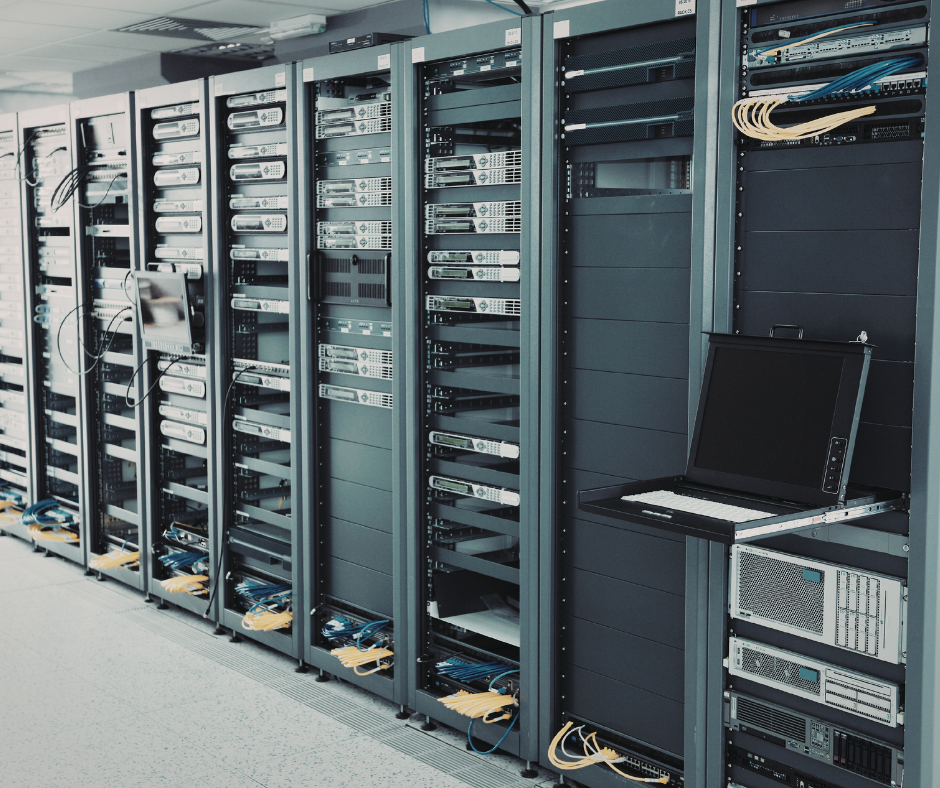
- Higher cooling capacity
- Greater airflow volumes
- Enhanced ventilation strategies
- Precise humidity control
- Continuous environmental monitoring
- Redundant systems for reliability
The thermal demands of AI workloads can be several times greater than those of traditional computing environments. Without properly engineered ventilation systems, excessive heat can quickly reduce performance, shorten equipment life, and increase operational risk.
As AI adoption accelerates, environmental control systems are becoming a key factor in the design and success of next-generation data centers.
The Critical Role of Industrial Ventilation
Industrial ventilation is one of the most important components of a successful data center operation.
Ventilation systems help regulate airflow throughout the facility, ensuring that heat generated by servers and other equipment is effectively removed before it can impact performance.
A well-designed industrial ventilation system supports several critical objectives:
Heat Removal
Data center equipment generates substantial heat during operation. Ventilation systems help move heat away from sensitive equipment and support cooling systems designed to maintain optimal temperatures.
Airflow Optimization
Proper airflow management prevents hot spots from developing within server rooms. Consistent airflow distribution helps maintain uniform temperatures throughout the facility.
Air Quality Control
Dust and airborne contaminants can accumulate on electronic components, restricting airflow and reducing equipment efficiency. Ventilation and filtration systems help maintain cleaner air and reduce contamination risks.
Humidity Management
Maintaining the correct humidity level is essential for preventing condensation and minimizing electrostatic discharge that can damage sensitive electronics.
Operational Reliability
Reliable ventilation systems contribute directly to data center uptime by supporting stable environmental conditions and reducing equipment stress.
For facilities operating around the clock, environmental control is not simply a maintenance concern—it is a business-critical requirement.
How Eldridge Supports Data Center and AI Data Center Projects
Data center operators require ventilation systems that go beyond standard commercial HVAC solutions. The environmental demands of high-performance computing facilities call for specialized expertise in industrial ventilation and climate control.
Eldridge provides engineered solutions designed to support critical environments where temperature control, airflow management, humidity regulation, and equipment protection are essential.
For data centers and AI data centers, Eldridge can assist with:
Engineered Ventilation Solutions
Every facility has unique airflow and environmental requirements. Eldridge works with project teams to develop customized ventilation strategies designed to support operational goals and equipment performance.
Air Movement and Distribution Systems
Effective air movement is critical for removing heat and maintaining consistent conditions throughout data halls, equipment rooms, and supporting infrastructure spaces.
Humidity and Environmental Control
Proper humidity management helps protect sensitive electronics while supporting overall facility reliability.
Filtration and Air Quality Management
Maintaining clean air within a data center environment helps reduce contamination risks and supports long-term equipment performance.
Support for High-Density Computing Environments
As AI infrastructure increases server densities and thermal loads, ventilation systems must evolve to handle greater environmental demands. Eldridge’s expertise in industrial ventilation can help facilities prepare for these changing requirements.
Scalable Solutions for Future Growth
Many organizations are planning for future AI expansion. Ventilation systems designed with scalability in mind can help support future capacity increases while maintaining operational efficiency.
Energy Efficiency and Sustainability
Energy efficiency has become a major priority for both traditional data centers and AI facilities.
Cooling and environmental control systems often account for a significant portion of a facility’s energy consumption. As operators seek to reduce operating costs and improve sustainability, optimized ventilation strategies can play an important role.
Benefits of efficient industrial ventilation include:
- Lower energy consumption
- Reduced operating costs
- Improved cooling performance
- Enhanced equipment reliability
- Better sustainability outcomes
- Support for environmental initiatives
By integrating ventilation, airflow management, and environmental controls into an overall facility strategy, organizations can improve both performance and efficiency.
Preparing for the Future of AI Infrastructure
The global demand for AI computing capacity continues to accelerate. New AI data centers are being planned and constructed at an unprecedented pace, and existing facilities are being upgraded to support increasingly demanding workloads.
As computing densities rise, environmental control systems will become even more important.
Future facilities will require:
- Advanced airflow management
- Intelligent environmental monitoring
- Enhanced cooling integration
- Scalable ventilation infrastructure
- Reliable humidity control
- Improved energy efficiency
Organizations that invest in robust industrial ventilation systems today will be better positioned to support future growth while maintaining operational reliability.
Industrial Ventilation for Data Centers and AI Data Centers
Data centers and AI data centers are among the most important critical environments in the modern economy. These facilities depend on carefully controlled conditions to protect sensitive equipment, maintain uptime, and support the digital services that businesses and consumers rely on every day.
As AI workloads continue to drive higher power densities and greater thermal demands, industrial ventilation has become a foundational component of successful facility design.
By treating data centers as critical environments and implementing engineered ventilation, airflow management, filtration, and humidity control strategies, operators can create facilities that are efficient, reliable, and ready for future growth.
With expertise in industrial ventilation and critical environment solutions, Eldridge helps support the environmental infrastructure that modern data centers and AI data centers require to perform at their best.