
Industrial facilities need good airflow, protection from the weather, and energy-efficient systems. One important part of this process is the louver system.
Louvers do more than support ventilation. They help protect equipment, improve airflow, and lower operating costs. Choosing the right louver can improve both performance and reliability.
What Are Industrial Louvers?
Louvers are angled slats that allow air to move through a building while blocking:
- Rain
- Dust
- Debris
- Other outdoor contaminants
They are commonly installed in:
- Exterior walls
- Mechanical rooms
- HVAC air intake openings
- HVAC exhaust openings
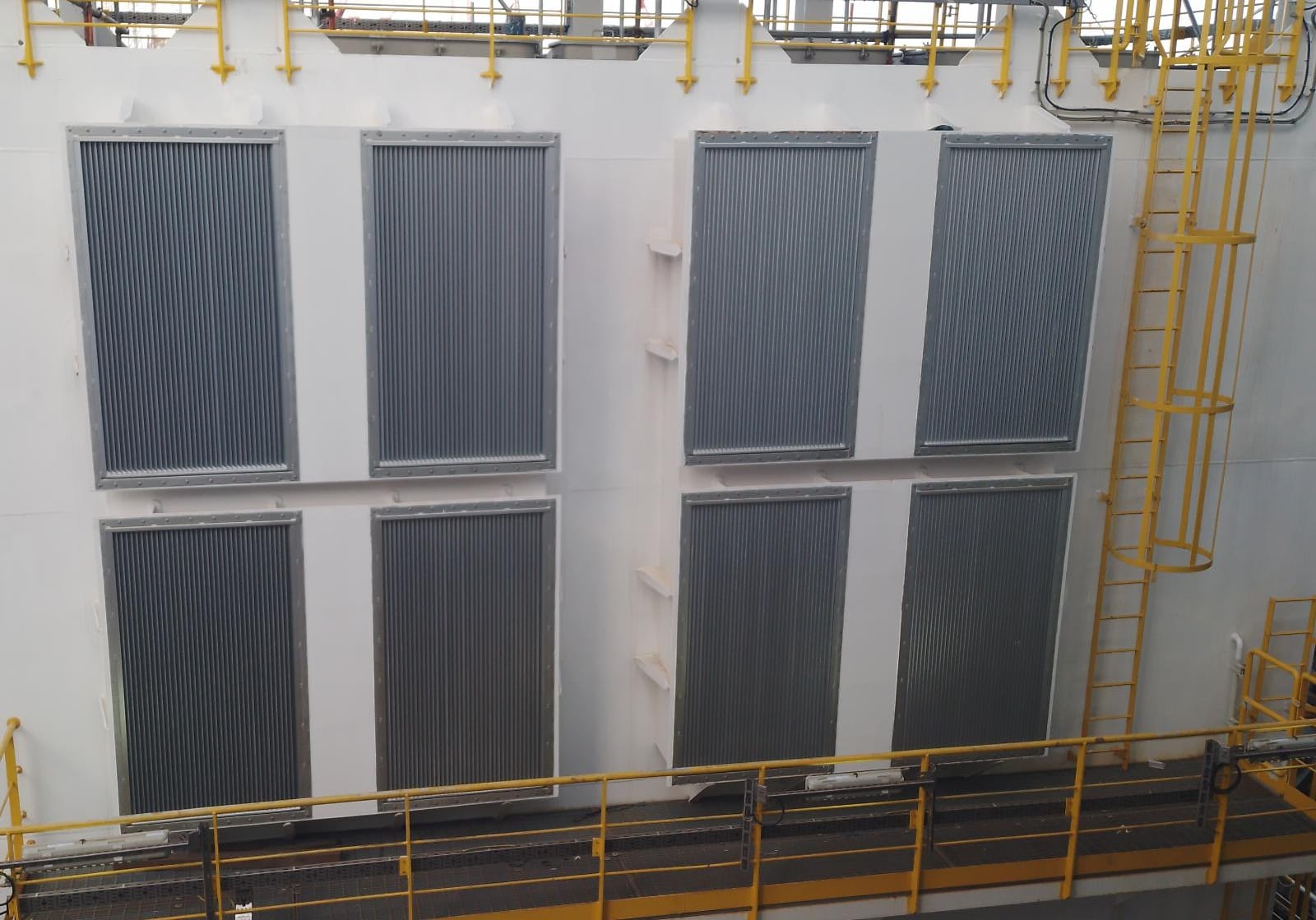
Their main job is to provide airflow while protecting the facility.
Why Are Louvers Important?
Louvers provide several benefits for industrial facilities.
Improve Airflow
Good airflow helps:
- Maintain indoor air quality
- Control temperature
- Support ventilation system performance
Poor airflow can increase energy use and reduce system efficiency.
Protect Equipment
Louvers help keep out:
- Moisture
- Dust
- Dirt
- Debris
This protection can reduce equipment damage and downtime.
Support Energy Savings
Well-designed louvers can:
- Improve natural airflow
- Reduce strain on mechanical systems
- Lower operating costs
They can also help equipment last longer.
Key Factors to Consider
When selecting louvers, focus on performance, durability, and environmental conditions.
1. Airflow Performance
Airflow is one of the most important factors.
Key measurements include:
- Free Area: The open space available for airflow
- Pressure Drop: The resistance air faces when passing through the louver
Choose louvers that:
- Allow strong airflow
- Minimize resistance
- Support efficient system operation
2. Weather Protection
Industrial sites often face:
- Heavy rain
- Strong winds
- Harsh weather
Look for features such as:
- Drainable blades
- Water-resistant designs
- Tested weather performance ratings
3. Material Selection
The material affects durability and maintenance needs.
| Material | Best For |
|---|---|
| Aluminum | General use, corrosion resistance |
| Steel | Heavy-duty applications |
| Stainless Steel | Coastal or corrosive environments |
Choosing the right material can reduce repairs and replacement costs.
4. Environmental Conditions
Different locations require different louver designs.
Examples include:
- Dusty areas: Sand trap louvers
- Coastal locations: Corrosion-resistant materials
- Noise-sensitive areas: Acoustic louvers
Match the louver to the environment for the best results.
5. Fixed vs. Adjustable Louvers
Fixed Louvers
Benefits:
- Simple design
- Reliable operation
- Low maintenance
Adjustable Louvers
Benefits:
- Airflow control
- Greater flexibility
- Better adaptation to changing conditions
Choose the option that best fits your operating needs.
Common Types of Industrial Louvers
Different applications require different louver designs.
Ventilation Louvers
Best for:
- General airflow
- Basic weather protection
Sand Trap Louvers
Best for:
- Dusty environments
- Desert locations
These louvers help capture airborne particles before they enter the building.
Acoustic Louvers
Best for:
- Noise-sensitive facilities
- Industrial sites with sound control requirements
They reduce noise while maintaining airflow.
Architectural Louvers
Best for:
- Buildings where appearance matters
They combine function and design.
Filtered Louvers
Best for:
- Food processing facilities
- Pharmaceutical facilities
- Clean environments
These louvers include filtration to improve air quality.
Performance Metrics to Review
Before selecting a louver, evaluate these key measurements:
Water Penetration Rating
Shows how well the louver blocks rain.
Airflow Capacity
Measures how much air can move through the louver.
Face Velocity
Measures airflow speed across the louver surface.
Acoustic Performance
Measures noise reduction capability.
Reviewing these metrics helps ensure the louver will perform well in real-world conditions
Design Considerations
Performance comes first, but appearance also matters.
Modern louvers can:
- Improve building appearance
- Add visual consistency
- Support architectural goals
Many manufacturers offer custom options for:
- Size
- Color
- Configuration
This makes it easier to match the building’s design.
Best Practices for Selecting Louvers
Follow these steps to make the best choice:
Conduct a Site Assessment
Evaluate:
- Airflow requirements
- Weather conditions
- Dust levels
- Potential contaminants
Work with Experienced Suppliers
Experts can help:
- Identify the best solution
- Customize designs when needed
- Avoid costly mistakes
Focus on Long-Term Value
Lower-cost products may require more maintenance.
High-quality louvers often provide:
- Better performance
- Longer service life
- Lower total ownership costs
Plan for Installation and Maintenance
Even the best louver can fail if it is:
- Installed incorrectly
- Poorly maintained
Regular inspections help maintain performance.
When to Consider Custom Louvers
Custom louvers may be the best choice when:
- Standard products do not meet performance needs
- Airflow requirements are unique
- Environmental conditions are challenging
- Existing systems require special integration
Custom solutions can improve:
- Airflow control
- Equipment protection
- Energy efficiency
Selecting Louvers with Professional Help
Choosing the right louver is an important decision for any industrial facility.
The best solution depends on several factors:
- Airflow requirements
- Weather exposure
- Environmental conditions
- Material durability
- Noise control needs
By carefully evaluating these factors, facility managers can improve ventilation performance, protect equipment, and reduce long-term operating costs.
Whether you choose a standard or custom solution, the right louver can help create a safer, more efficient, and more reliable facility. Contact our team at Eldridge to learn more about our louvers.