
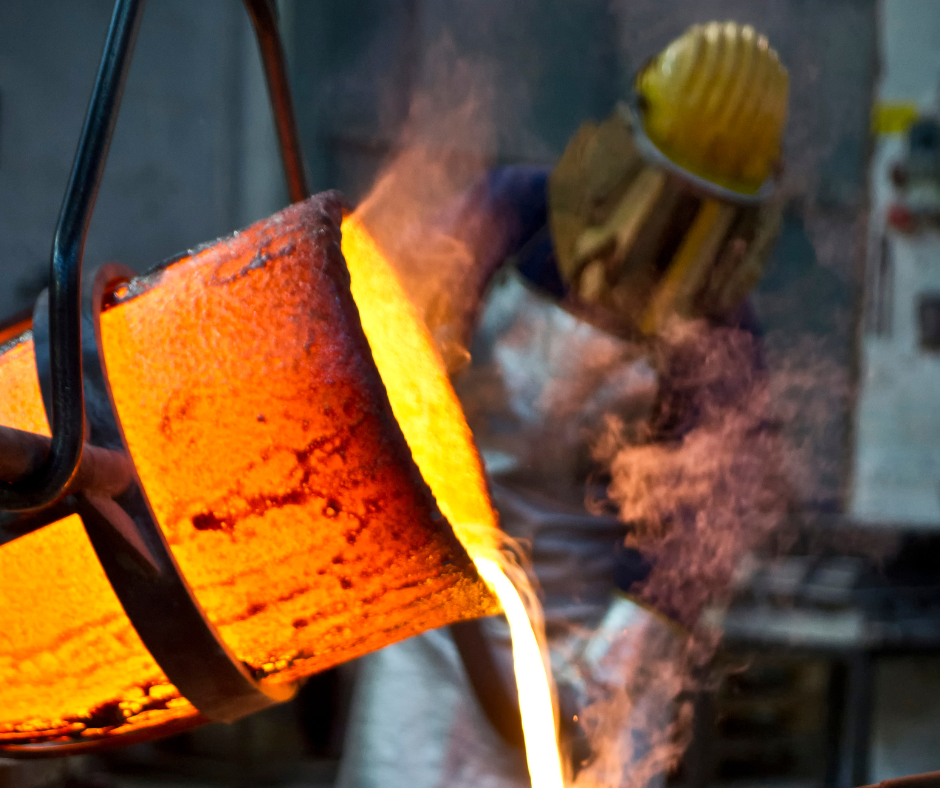
When steel glows cherry red and air shimmers with intense heat, the last thing you want is a compromised breathing environment. In the demanding worlds of foundries and heat treating, effective high-temperature ventilation design isn’t just a luxury; it’s the lifeline that protects workers, preserves equipment, and ensures compliance.
Foundries specialize in casting molten metal into various shapes to create new components, focusing on forming and initial material composition. In contrast, heat treating facilities modify the existing physical and chemical properties of solid metals through controlled heating and cooling cycles to enhance characteristics like hardness, strength, or ductility. However, foundries and heat treating facilities are both involved in intense heat and temperature.
A well-engineered high-temperature ventilation system is not merely an accessory but a fundamental component ensuring safety, productivity, and sustainability in foundries and heat treating operations. In this blog we will discuss several aspects of how to properly design an industrial ventilation system.
Understanding the High-Temperature Environment
There are several characteristics to consider and understand when working with a high-temperature environment like foundries.
1.Primary Heat Sources:
- Molten metal, especially in pouring and transferring.
- Furnaces such as induction, arc, gas-fired, and vacuum.
- Hot workpieces and quenching operations.
- Radiant heat from large surfaces.
2.Common Contaminants & Their Risks:
- Fumes: Metal fumes such as zinc oxide, iron oxide, and welding fumes.
- Dust: Silica dust (from sand molds), abrasive dust, metallic dust.
- Gases: Some gases like carbon monoxide, sulfur dioxide, volatile organic compounds (VOCs) can arise from binders/lubricants.
- Health Impacts: The health risks from the gases and fumes include heat stress, respiratory diseases (silicosis, metal fume fever), asphyxiation, and skin burns.
3.Regulatory Landscape:
- Relevant standards such as OSHA Permissible Exposure Limits – PELs, ACGIH Threshold Limit Values – TLVs are important to consider for these facilities.
- Importance of compliance to avoid penalties and ensure worker well-being.
Understanding these high temperature environments is essential to understanding the designing of the proper industrial ventilation system.
Core Principles of High-Temperature Ventilation Design
Designing industrial ventilation for high- temperature environments has its challenges, which is why it is essential to understand the core principles that come with the design process. Some of these considerations include
Local Exhaust Ventilation: The first line of defense
- Hoods:
- Capture Hoods: These are best to attack the fumes at the source such as pouring stations.
 Ductwork:
- Material Selection: Choosing a high-temperature resistant alloys for your duct work such as stainless steel and specialized coated steel can make a difference in the airflow.
- Insulation: Proper insulation in your ductwork reduces heat loss, protects personnel, and prevents condensation.
- Thermal Expansion Joints: flexible connectors specifically designed to absorb movement caused by changes in temperature, vibration, and sometimes even building settlement or misalignment. They are crucial for accommodating material expansion/contraction due to temperature fluctuations.
- Configuration: Minimizing bends, ensures smooth airflow, and accessibility for cleaning for maximum effort.
- Industrial Fans:
- Types: High temperature centrifugal fans and axial fans are ideal for these harsh environments. Centrifugal fans are crucial in foundries and heat-treating facilities for high-pressure tasks like extracting fumes and dust through complex ductwork and air pollution control systems. Conversely, axial fans are used for moving large volumes of air at lower pressures, ideal for general ventilation, equipment cooling, and improving overall airflow in large areas.
General Ventilation
- Supply Air
- Tempering: Introduce tempered (heated or cooled) fresh air to maintain comfortable ambient conditions.
- Distribution: Strategic placement of certain devices to promote air circulation and to prevent stagnant zones.
- Exhaust Fans
- Such fans like roof ventilators or wall-mounted fans are important for overall air changes in the facility.
- Air Changes Per Hour (ACH)
- A measure of how many times the entire volume of air in a room or space is completely replaced with new (often fresh, filtered) air within a one-hour period. Calculating and achieving appropriate ACH rates is important for the facility size and heat load.
Advanced Design Considerations & Overcoming Challenges
We have gone over the core principles of high-temperature ventilation design and how to understand the environment that goes along with it. There are several challenges to overcome with these environments that may need advanced design considerations.
- Material Science for Extreme Conditions
- Ducting & Hoods: Specific high-temperature alloys such as inconel and specialized stainless steels are best for longevity and corrosion resistance.
- Fan Components: Heat-resistant bearings, impellers, and motor enclosures are all factors to consider when using fans as a design factor.
- Filter Media: Specialized fabrics for baghouses designed for high temperature environments.
- Managing Thermal Expansion:
- The problem: Significant expansion and contraction of metal components can lead to stress, buckling, and system failure.
- Solutions: Incorporating expansion joints, flexible connections, and proper bracing. These supports throughout the ductwork and equipment can help reduce the risk of expansion and contraction of the metal components.
- Contaminant-Specific Design:
- Particulate Characteristics: Designing for abrasive dust can mean you need thicker gauge materials, wear plates. Sticky dust can call for non-stick coatings and pulse-jet cleaning
- Corrosive Elements: Selecting materials resistant to acidic or alkaline fumes can help with protecting your equipment.
- Temperature of contaminants: Always ensure the equipment can handle the specific temperature of the extracted air.
- Energy Efficiency and Sustainability:
- Variable Frequency Drives (VFDs): Motor controllers that regulate the speed and torque of an AC electric motor by precisely varying the frequency and voltage of the electrical power supplied to it. They optimize fan speed based on demand, leading to significant energy savings.
- System Optimization: Balancing airflow, minimizing pressure drops, and preventing over-ventilation also helps with energy efficiency in your facility.
- Maintenance, Durability, and Accessibility:
- Robust Construction: Designing for heavy-duty industrial use, resisting vibration and physical impact.
- Accessibility: Ensuring easy access for routine cleaning, filter changes, and equipment inspection/repair. This makes maintenance checks much faster and more efficient.
- Monitoring: Implementing pressure gauges, temperature sensors, and airflow monitors for proactive maintenance.
There are several factors to consider when choosing equipment and going over the design process of a high-temperature system.
Emerging Technologies and Future Trends
New technologies and tools have been developed to make the job easier. Engineers should see different trends in the future to use and optimize the industrial ventilation systems.
- Computational Fluid Dynamics (CFD) Modeling
- Simulating airflow patterns and contaminant dispersion to optimize hood design and system layout before physical installation.
- Identifying potential dead zones or inefficient capture points.
- Smart Sensors and Automated Control Systems
- Real-time monitoring of air quality, temperature, and airflow.
- Automated adjustment of fan speeds and damper positions for optimal performance and energy efficiency.
- Predictive maintenance alerts.
- Integration with Building Management Systems (BMS)
- Holistic control and monitoring of all facility systems, including ventilation, for improved overall efficiency and safety.
As technology becomes more advanced, it will be easier to monitor airflow, equipment condition, and equipment efficiency.
Industrial Ventilation Design from Expert Engineers
Effective high-temperature ventilation is a complex but indispensable aspect of modern foundries and heat treating facilities. A properly designed system has several advantages such as, enhanced worker safety, improved air quality, increased operational efficiency, reduced energy costs, and strict regulatory compliance. In these types of industries, proper ventilation can give you the best return on investment in the long run. Partner with expert engineers and specialists to help you with ventilation design and tailoring for your unique high-temperature challenges. Contact our team at Eldridge to learn more.