
Vent silencers are critical pieces of equipment for many industries that handle compressed gases. When relief valves open to release compressed gas or steam into the atmosphere, the vent silencer reduces the noise from the high velocity gas or steam that escapes. Because vent silencers operate under high pressure, any failure could have a catastrophic impact on equipment and people. That is why Eldridge recommends periodic vent silencer inspections to identify potential failures before they happen.
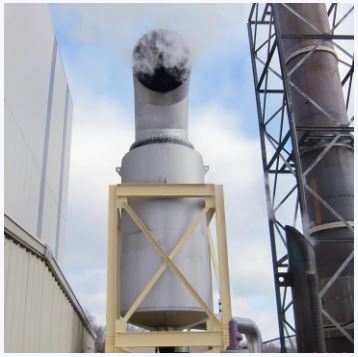 Applications and Causes of Failure
Typical applications for vent silencers include:
- Power Generation: Used on Heat Recovery Steam Generators and steam boilers for noise reduction during startup and normal operation.
- Oil and Gas: Applied to pipeline compressor blowdowns, natural gas blowdown, and general vent applications in petrochemical refining.
- Industrial Processes: Applied in any system with high-pressure venting, including steam ejectors and process control valves.
- Chemical Processes: Utilized for steam, natural gas, and other pressurized gas vents within chemical and refining plants.
In these demanding applications, vent silencer failure can involve corrosion, thermal fatigue, or mechanical stress leading to cracked components or ejected debris. Other factors that can contribute to vent silencer failure are inadequate design, poor material selection, water accumulation from poor drainage, and improper installation.
Inspections
Eldridge and our vent silencer equipment provider Universal, recommend periodic inspections that will ensure proper functionality, mitigate potential hazards and extend the lifespan of the equipment. Our rigorous 15-point inspection plan for vent silencers will identify any potential issues that might eventually lead to failure. Here are a few of the steps from the inspection plan:
- Check for corrosion or cracks – Inspect the welds on the inlet flange for any signs of corrosion or cracks.
- Examine flange bolts – Look for leaks that may be caused by loose flange bolts and tighten as necessary.
- Inspect welds – Check the weld from the head to the nozzle joint for integrity.
- Assess the lower head – Look for signs of cracks or rust on the lower head.
Our ability to perform a thorough inspection is subject to access to the vent silencer. If there is not a walkway around the silencer, we may need to use a lift to conduct the inspection. The inspection is also subject to the silencer having an access panel to inspect the internals.
After completing the inspection, we will provide a report that will detail the results of the 15-point inspection and recommendations as to what needs to be done to address any issues.
Conclusion
Vent silencer failure can be prevented by periodic inspections. It is also important that these inspections be performed by someone that is knowledgeable about vent silencers. If you haven’t performed an inspection of your vent silencers, we recommend that you contact an expert at Eldridge. We can develop a plan for periodic vent silencer inspections that will provide you with the knowledge that they are functioning properly without any potential hazards.