
If doors in your industrial facility are suddenly slamming shut, becoming difficult to open, or moving unexpectedly, the problem may be more than a faulty door closer. Doors slamming shut are often a sign of an air pressure imbalance caused by an industrial ventilation system.
When a building exhausts more air than it supplies, it can develop negative air pressure. The resulting pressure difference causes outside air to rush into the building through available openings, including personnel doors, loading doors, windows, and other gaps.
The opposite can also happen. If a ventilation system supplies more air than it exhausts, the building can develop positive air pressure, which can force doors open or make them difficult to operate.
For industrial facilities, maintaining the right pressure balance is important for worker safety, indoor air quality, contaminant control, and ventilation performance.
 Why Are the Doors in My Facility Slamming Shut?
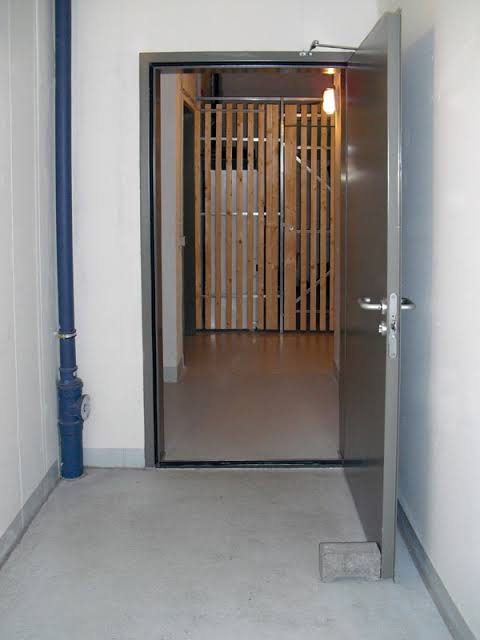
Doors may slam shut because your building has excessive negative air pressure. This typically happens when exhaust fans remove more air from the building than the ventilation system is supplying.
As an exhaust fan operates, it pulls air out of the facility. If there are not enough properly sized supply-air openings, the building begins drawing replacement air through doors and other openings. The stronger the pressure difference, the greater the force acting on those doors.
A properly designed ventilation system should account for the relationship between:
- Supply airflow
- Exhaust airflow
- Fan capacity
- Static pressure
- Louvers
- Dampers
- Filters
- Ductwork
- Building openings
Eldridge designs industrial ventilation systems around the complete airflow path rather than treating individual components as isolated pieces. Equipment such as industrial exhaust fans, louvers, and dampers must be properly selected and sized to work together.
What Is Negative Air Pressure?
Negative air pressure occurs when more air is exhausted from a building than is supplied to it.
For example, an industrial exhaust fan may remove contaminated air, fumes, heat, or dust from a production area. If replacement air cannot enter through appropriately sized supply openings, the building pressure drops below the pressure outside.
The facility then attempts to equalize the pressure by pulling air through available openings.
This can cause:
- Doors to slam shut
- Doors to become difficult to open
- Uncontrolled outside air infiltration
- Drafts around doors and windows
- Reduced ventilation performance
- Increased strain on ventilation equipment
- Potential safety hazards around personnel and truck doors
Negative pressure is not necessarily a problem. In many industrial applications, it is intentional and desirable.
The key is controlling the amount and location of negative pressure.
When Is Negative Pressure Useful in an Industrial Facility?
Negative pressure can be beneficial when a facility needs to keep heat, fumes, dust, odors, or other contaminants from spreading into adjacent areas.
For example, industrial facilities may use negative-pressure ventilation for:
- Manufacturing areas
- Chemical processing
- Woodworking operations
- Metalworking facilities
- Areas generating dust or fumes
- Industrial processes producing heat
- Contaminated work areas
The goal is to direct contaminated or heated air toward designated exhaust points rather than allowing it to migrate into offices, break rooms, locker rooms, or other occupied spaces.
Eldridge’s industrial ventilation equipment includes exhaust fans and other components designed to help control where air enters and exits a facility.
What Is Positive Air Pressure?
Positive air pressure occurs when more air is supplied to a building than is exhausted.
Instead of pulling outside air into the building, the pressure difference pushes indoor air outward through doors, windows, louvers, and other openings.
Positive pressure can be useful when a facility needs to limit the infiltration of outdoor contaminants.
For example, controlled positive pressure may be beneficial in environments where dust, moisture, or other contaminants outside the building could interfere with a process.
However, excessive positive pressure can also create problems. Doors may become difficult to open or may be pushed open unexpectedly.
The objective of an industrial ventilation system is therefore not simply to create positive or negative pressure. The objective is to create the appropriate pressure relationship for the facility and its specific process.
How Do You Fix Excessive Negative Air Pressure?
If doors are slamming shut because of negative air pressure, the solution is usually to evaluate the entire ventilation system rather than simply adjusting the door.
An industrial ventilation specialist may evaluate:
- Exhaust airflow – How much air are the exhaust fans removing?
- Supply airflow – Is enough replacement air entering the facility?
- Louver sizing – Are the supply openings large enough for the required airflow?
- Pressure drop – Are louvers, dampers, filters, or ductwork creating excessive resistance?
- Fan selection – Is the exhaust fan properly sized for the system?
- Building openings – Are doors being used as unintended supply-air openings?
- Pressure relief – Is a backdraft damper or other pressure-relief solution appropriate?
The correct solution depends on the building, process, airflow requirements, and existing equipment.
How Industrial Exhaust Fans Affect Building Pressure
Industrial exhaust fans are one of the primary components that influence building air pressure.
Eldridge supplies industrial-duty exhaust fans for applications requiring controlled air movement and ventilation. Its fan lineup includes direct-drive and belt-drive panel fans, filtered-air fans, roof exhaust ventilators, tube-axial fans, and other industrial fan configurations.
Selecting the correct fan involves more than choosing a fan based on its maximum CFM rating.
Engineers must consider the complete system, including:
- Required airflow
- Static pressure
- Ductwork
- Louvers
- Dampers
- Filters
- Hoods
- Other system components
Each component can contribute pressure loss to the system. If those losses are not properly accounted for, the actual airflow may differ significantly from the expected performance.
Can Louvers Help Prevent Excessive Negative Pressure?
Yes. Properly sized supply-air louvers can help control how replacement air enters an industrial building.
Louvers provide an intentional pathway for outside air to enter the facility while helping prevent rain, debris, dust, and other unwanted materials from entering the building.
Eldridge supplies industrial louvers in a variety of configurations, including intake louvers, exhaust louvers, adjustable louvers, and acoustic louvers.
Louver sizing is particularly important in a negative-pressure system.
If the available free area is too small for the required airflow, air velocity and pressure drop can increase. This can contribute to excessive negative pressure and may make doors more difficult to open.
Eldridge notes that louver selection should account for factors such as airflow volume, air velocity, free area, pressure drop, and application requirements.
What Do Backdraft Dampers Do?
Backdraft dampers help prevent unwanted reverse airflow and can provide pressure relief in certain ventilation applications.
A backdraft damper typically uses movable blades that open when airflow moves in the intended direction and close when the fan shuts down or airflow reverses.
In some applications, backdraft dampers can be counterweighted to open at a predetermined pressure.
This can be especially useful in facilities where personnel or truck doors are being used as major air pathways. If those doors are closed while exhaust fans continue operating, a pressure imbalance can develop.
A properly selected pressure-relief or backdraft damper can provide an alternative airflow path and help prevent excessive pressure from building inside the facility.
What Other Equipment Can Affect Industrial Air Pressure?
Industrial air pressure is influenced by more than just fans.
Depending on the application, an industrial ventilation system may include:
- Industrial exhaust fans – Remove air, heat, fumes, dust, or other contaminants.
- Louvers – Provide controlled intake or exhaust openings while helping prevent rain and debris infiltration.
- Dampers – Regulate, isolate, or control airflow throughout the system.
- Backdraft dampers – Help prevent reverse airflow and can provide pressure relief.
- Filters – Remove airborne contaminants but also introduce pressure drop that must be considered during system design.
- Ductwork – Directs airflow throughout the facility while contributing to system resistance.
- Hoods and exhaust systems – Capture heat, fumes, dust, or contaminants near their source.
Eldridge offers a broad range of industrial ventilation equipment, including fans, blowers, filters, dampers, louvers, air curtains, dust collectors, dehumidifiers, HVAC equipment, coils, and ventilation silencers.
How Do You Know if Your Ventilation System Has a Pressure Problem?
Slamming doors are one of the most noticeable warning signs, but they are not the only one.
Other potential indicators of an air pressure imbalance include:
- Doors that suddenly become difficult to open
- Doors that unexpectedly swing open or closed
- Strong drafts around doors
- Air being pulled through cracks and openings
- Dust or outdoor contaminants entering through unintended pathways
- Poor airflow in certain areas of the facility
- Unexpected changes in ventilation performance
- Excessive noise around louvers or openings
If these problems occur when exhaust or supply fans are operating, the ventilation system should be evaluated.
How Is Industrial Building Air Pressure Evaluated?
An industrial ventilation evaluation should look at the entire system.
Technicians can measure airflow and pressure to determine whether the existing system is delivering the intended performance. Depending on the application, measurements may include airflow volume, air velocity, and static pressure.
More complex ventilation systems may require modeling using Computational Fluid Dynamics (CFD) Software to evaluate how and where excessive pressure is developing. Once the ventilation system is modeled in CFD, it can also be used to evaluate possible solutions for the excessive pressure.
Eldridge’s ventilation specialists can evaluate how components such as fans, louvers, dampers, filters, and ductwork interact within an existing system. The goal is to identify the source of the imbalance and determine whether equipment needs to be adjusted, resized, replaced, or added.
Frequently Asked Questions About Industrial Air Pressure
Why do industrial doors slam shut?
Industrial doors often slam shut when a building develops excessive negative air pressure. This can happen when exhaust fans remove more air than can enter through properly sized supply-air openings.
How do I reduce negative air pressure in a building?
Reducing negative air pressure typically involves balancing exhaust and supply airflow. Solutions may include properly sizing intake louvers, adjusting or replacing ventilation equipment, adding pressure-relief dampers, or modifying the overall ventilation system.
Can an exhaust fan cause negative pressure?
Yes. An exhaust fan removes air from a building. If insufficient replacement air enters the facility, the building can develop negative pressure.
Can louvers help with building pressure?
Yes. Properly sized intake louvers provide a controlled path for replacement air to enter a building. Their free area and pressure drop should be considered when designing the ventilation system.
What is the difference between a louver and a damper?
Louvers primarily provide an opening for airflow while helping keep out elements such as rain and debris. Dampers are designed to regulate, isolate, or control airflow. Backdraft dampers specifically help prevent airflow from moving in the wrong direction.
Should an industrial building have positive or negative pressure?
It depends on the application. Negative pressure can help contain heat, fumes, dust, and other contaminants generated inside a facility. Positive pressure can help prevent outside contaminants from entering controlled areas.
Are slamming doors a safety concern?
Yes. Excessive pressure can make industrial doors difficult to open or cause them to move unexpectedly. This can create a potential injury hazard, particularly around personnel or truck doors.
The Right Industrial Ventilation System Starts With the Entire Airflow Picture
Slamming doors are often a symptom of a larger ventilation issue. Simply increasing or decreasing fan airflow may not solve the problem if the rest of the system has not been properly evaluated.
The performance of an industrial ventilation system depends on how fans, louvers, dampers, filters, ductwork, and other components work together.
Eldridge provides industrial ventilation equipment and system design expertise to help facilities develop effective airflow, exhaust, and pressure-control solutions. Whether your facility needs industrial exhaust fans, intake or exhaust louvers, dampers, or a more comprehensive ventilation system, Eldridge can help evaluate the application and identify the appropriate equipment.
If doors in your facility are slamming shut, don’t ignore the warning sign. Your industrial ventilation system may need a pressure evaluation. Contact Eldridge to discuss your facility’s airflow and ventilation requirements.