
Gas turbines play an important role in power generation and natural gas pipeline operations, where reliable equipment performance is essential. However, operating a gas turbine inside an enclosed building creates a major engineering challenge: significant amounts of heat and airflow must be managed while maintaining appropriate environmental conditions.
That is why gas turbine ventilation system design is an important part of planning and maintaining a reliable facility. An effective ventilation system does more than move air. It must account for heat load, airflow, static pressure, equipment performance, acoustics, operating conditions, and the specific requirements of the facility.
For gas pipeline compressor stations, these requirements can become especially demanding. Compressor stations may house turbine-driven equipment inside enclosed structures, creating the need for significant airflow and carefully controlled ventilation. Eldridge provides engineered ventilation and noise-control solutions for these applications, including fans, blowers, filters, louvers, dampers, gravity vents, heaters, and acoustic silencers.
Why Gas Turbine Ventilation Matters
A gas turbine operating inside an enclosed structure can generate substantial heat. Without an appropriately designed ventilation system, that heat can accumulate and create an uncomfortable or unsuitable environment for personnel and equipment.
Industrial ventilation can be used to remove heat loads, control air-change rates, manage temperature and humidity, and maintain static pressure. For gas turbine applications, these factors must be evaluated together rather than treated as separate concerns.
This is particularly important at natural gas compressor stations. Eldridge explains that compressor stations located in populated areas can have strict ventilation and noise requirements. When turbine-driven compressors are enclosed in metal buildings, significant airflow is required, while static pressure must also be maintained. Noise control is another important consideration when facilities operate near neighboring communities.
A successful gas turbine ventilation system therefore begins with understanding the facility and its operating requirements.
1. Evaluate the Heat Load
One of the first steps in gas turbine ventilation system design is determining how much heat needs to be managed.
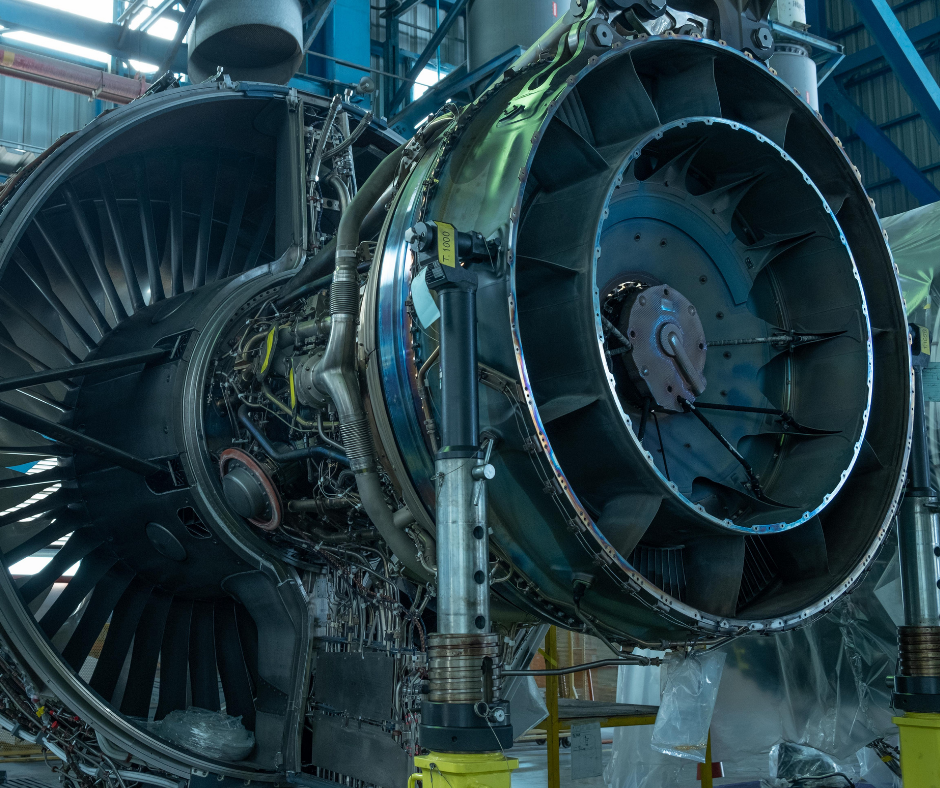 The amount of heat within a turbine enclosure can vary based on the equipment, building configuration, operating conditions, and other variables. An accurate heat-load evaluation helps determine the amount of ventilation required to maintain acceptable conditions.
Eldridge includes heat-load evaluation among its ventilation engineering capabilities. Its broader design services also incorporate heat-load and psychrometric calculations, allowing the design team to evaluate the environmental conditions affecting a facility.
The objective is not simply to install the largest possible fan. Oversizing or undersizing equipment without analyzing the entire system can lead to inefficient operation or inadequate ventilation.
Instead, the ventilation system should be designed around the actual heat load and operating conditions of the turbine enclosure.
2. Analyze Airflow and Static Pressure
Airflow is at the center of any effective industrial ventilation system.
For a gas turbine enclosure, supply and exhaust equipment must work together to move air through the building and remove accumulated heat. However, the actual performance of a fan depends on the complete system, including ductwork, openings, louvers, dampers, filters, and other components that create resistance.
Static pressure is therefore an important part of the design process.
Eldridge uses proprietary Fluid Flow Analysis software that allows multiple fan curves to be incorporated into the same model. This gives engineers a way to evaluate how ventilation equipment will perform within the overall system instead of simply selecting equipment based on standalone fan ratings.
This type of analysis can help create a more predictable ventilation design and reduce the guesswork involved in determining how much air the system will actually move.
3. Design the Supply and Exhaust Airflow
A gas turbine ventilation system generally needs an intentional path for air to enter the enclosure, move through the space, and exit after absorbing heat.
Supply fans can introduce fresh air into the building, while exhaust fans remove heated air. Depending on the application, process fans, blowers, gravity vents, louvers, and dampers can also be incorporated into the system.
Eldridge’s gas pipeline ventilation solutions include supply and exhaust fans, process fans, blowers, filters, louvers and dampers, gravity vents, and heating equipment.
The placement and selection of these components matter. Poorly positioned supply or exhaust openings can create areas where air does not circulate effectively. A well-engineered system instead considers how air will travel throughout the enclosure and how the different components will interact.
This is why industrial ventilation design should focus on the complete airflow system rather than treating each fan or component as an isolated piece of equipment.
4. Account for the Facility’s Operating Environment
Every gas turbine installation has different environmental requirements.
A facility’s location, building design, equipment arrangement, and operating conditions can all influence ventilation requirements. A system designed for one compressor station may not be appropriate for another without additional analysis.
Environmental conditions can also affect the selection of ventilation equipment. Depending on the facility, the system may need to incorporate heating, filtration, dampers, louvers, or other components to help maintain appropriate conditions.
Eldridge’s broader ventilation capabilities include equipment such as heaters, dehumidifiers, evaporative cooling systems, filters, and other environmental-control equipment.
The key is to design the system around the conditions the facility will actually experience rather than relying on a generic ventilation approach.
5. Consider Noise During the Design Process
Heat management is not the only challenge associated with gas turbine ventilation.
Gas turbines, compressors, fans, and other industrial equipment can generate significant amounts of noise. At facilities near residential areas or other sensitive locations, noise requirements can become a major part of the ventilation design.
This is particularly relevant for natural gas compressor stations. Eldridge notes that noise requirements can be strict when compressor stations are located in populated areas.
Acoustic silencers and other noise-control equipment can be incorporated into the ventilation system to help address these requirements.
Eldridge includes acoustic evaluation as part of its ventilation design capabilities and provides silencers and other sound-attenuation equipment for industrial applications.
Considering acoustics during the initial design is generally preferable to attempting to solve noise problems after the ventilation system has already been installed.
6. Select the Right Ventilation Equipment
Once airflow, heat load, static pressure, environmental conditions, and acoustic requirements have been evaluated, the appropriate equipment can be specified.
Depending on the application, a gas turbine ventilation system may include:
- Supply and exhaust fans
- Process fans
- Blowers
- Air filters
- Louvers
- Dampers
- Gravity vents
- Gas-fired or electric heaters
- Acoustic silencers
Eldridge provides these types of ventilation products as part of its solutions for gas pipeline compressor stations and other industrial applications.
Equipment selection should be based on the requirements of the complete system. Fan capacity, system resistance, airflow requirements, environmental conditions, and noise requirements should all be considered before equipment is specified.
7. Use Engineering Analysis Before Installation
Effective ventilation design does not stop at equipment selection.
Eldridge’s ventilation process can include an on-site ventilation survey, heat-load evaluation, acoustic evaluation, fluid-flow system analysis, system design, equipment specification, project management, equipment purchasing and supply, installation, and startup.
This approach allows potential issues to be evaluated before equipment is installed.
CAD drawings and fluid-flow analysis can help engineers understand the proposed system, while site surveys provide information about the actual facility. Combining these elements creates a more complete picture of the ventilation requirements.
For complex gas turbine installations, this engineering-first approach can be especially valuable because the cost of correcting ventilation problems after installation can be significantly greater than addressing them during the design stage.
8. Design for Reliability and Long-Term Operation
Gas turbine ventilation systems support equipment that may be critical to a facility’s operation. As a result, reliability should be considered throughout the design process.
The ventilation system should be designed around the facility’s operational requirements, with equipment selected for the environment in which it will operate. Accessibility for inspection and maintenance can also be an important consideration.
Eldridge works with both new and existing industrial ventilation applications. Its capabilities extend from initial evaluation and system design through equipment supply, installation, and startup.
This comprehensive approach can help facility owners address ventilation challenges as part of a larger long-term strategy rather than treating individual equipment problems separately.
Gas Turbine Ventilation for Data Centers
Data centers require reliable power and carefully controlled operating environments, making gas turbines a potential solution for on-site power generation. However, gas turbines produce significant heat, creating important ventilation requirements.
Gas turbine ventilation system design for data centers must account for heat load, airflow, static pressure, equipment layout, and outdoor conditions. Supply and exhaust fans, louvers, dampers, filters, and blowers may be incorporated to move air effectively through the turbine enclosure and remove excess heat.
Noise is another consideration. Gas turbines and ventilation equipment can generate significant sound, particularly in large installations. Acoustic evaluation and sound-control equipment can therefore be included as part of the overall ventilation design.
Eldridge provides ventilation engineering services that include heat-load evaluation, fluid-flow analysis, acoustic evaluation, equipment specification, and system design. This approach allows each component to be evaluated as part of a complete ventilation system designed around the data center’s specific requirements.
By addressing heat, airflow, pressure, and acoustics during the design process, a properly engineered ventilation system can help support reliable gas turbine operation and the demanding power requirements of modern data centers.
Why a Custom Ventilation Design Matters
There is no single ventilation system that is right for every gas turbine installation.
Building dimensions, equipment layout, heat load, airflow requirements, static pressure, climate, acoustic requirements, and operational objectives can all vary from one facility to another.
Eldridge’s approach is centered on understanding those individual requirements and using engineering analysis to develop a solution. The company describes its ventilation design process as customer-focused, beginning with understanding the facility’s needs before moving into analysis, CAD drawings, equipment specification, and implementation.
Eldridge also emphasizes that industrial ventilation and noise control support people, products, and processes by helping address health, safety, comfort, productivity, equipment reliability, and process performance.
For gas turbine applications, that means ventilation is more than simply keeping a building cool. It is an important part of creating an environment where critical equipment can operate reliably.
Choose an Experienced Partner for Gas Turbine Ventilation System Design
Designing a gas turbine ventilation system requires careful consideration of heat, airflow, static pressure, acoustics, equipment selection, and facility-specific operating conditions.
A properly engineered system can help manage heat loads, maintain appropriate airflow, address noise requirements, and support reliable operation. For natural gas pipeline compressor stations and other demanding industrial environments, a customized approach is especially important.
Eldridge provides ventilation engineering, equipment, installation, and startup services for industrial applications, including gas pipeline compressor stations. From an initial site survey and heat-load evaluation to fluid-flow analysis, equipment specification, and installation, its team can support the ventilation project from concept through completion.
Need help with gas turbine ventilation system design? Contact Eldridge to discuss your facility’s ventilation requirements and request a site survey.